Have you ever walked into a space and instantly felt a sense of comfort, elegance, or inspiration? That effortless beauty is rarely accidental—it’s the result of thoughtful planning and expert execution. Professional interior designers possess the unique ability to transform ordinary spaces into extraordinary environments that reflect personality, enhance functionality, and improve everyday living.
Interior design goes far beyond choosing attractive furniture or matching colors. It is a strategic process that blends creativity, technical knowledge, and a deep understanding of human behavior. Whether it’s a compact apartment or a luxurious villa, designers know how to unlock a space’s full potential.
In this blog, we’ll explore how professional interior designers transform spaces step by step, revealing the techniques, principles, and insights that make all the difference.
Understanding Client Needs and Vision
The Foundation of Every Great Design
Every successful interior design project begins with understanding the client. Designers invest time in conversations, questionnaires, and site visits to gain clarity on lifestyle, preferences, and expectations.
Lifestyle and Functional Requirements
A family with children has very different needs compared to a working professional living alone. Designers consider:
- Daily routines
- Storage requirements
- Work-from-home needs
- Entertainment habits
This ensures the final design supports real-life usage, not just visual appeal.
Translating Ideas into Concepts
Clients often express ideas in abstract terms like “modern,” “cozy,” or “luxurious.” Designers interpret these emotions into tangible elements—colors, materials, layouts, and textures—creating a clear and actionable vision.
Space Planning and Layout Optimization
Making Every Square Foot Count
One of the most powerful ways designers transform spaces is through smart planning. A poorly arranged room can feel cramped, while a well-planned one feels open and functional.
Strategic Furniture Placement
Designers carefully position furniture to:
- Improve movement and flow
- Create conversation zones
- Avoid clutter
They ensure that each piece serves a purpose without overwhelming the space.
Maximizing Small Spaces
In compact homes, designers use clever techniques such as:
- Multi-functional furniture
- Vertical storage
- Open layouts
These strategies make small spaces feel larger and more efficient.
Creating a Cohesive Design Concept
Design That Tells a Story
A beautifully designed space always feels cohesive. This is because designers work with a clear concept or theme that ties everything together.
Mood Boards and Visual Planning
Before execution, designers create mood boards that include:
- Color palettes
- Material samples
- Furniture styles
This helps visualize the final outcome and ensures alignment with the client’s vision.
Balancing Elements
A professional designer knows how to balance:
- Textures (smooth vs. rough)
- Patterns (bold vs. subtle)
- Materials (wood, metal, glass)
This harmony creates a polished and sophisticated look.
Lighting Design: The Game Changer
Why Lighting Matters
Lighting can completely change how a space looks and feels. It influences mood, highlights design elements, and enhances functionality.
Layered Lighting Approach
Designers use three main types of lighting:
- Ambient lighting for overall illumination
- Task lighting for specific activities
- Accent lighting to highlight features
This layered approach adds depth and dimension to a room.
Maximizing Natural Light
Natural light is one of the most valuable design elements. Designers enhance it by:
- Using sheer curtains
- Placing mirrors strategically
- Choosing reflective surfaces
Material and Furniture Selection
Blending Style with Durability
Choosing the right materials is essential for both aesthetics and longevity. Designers select materials that match the lifestyle and usage of the space.
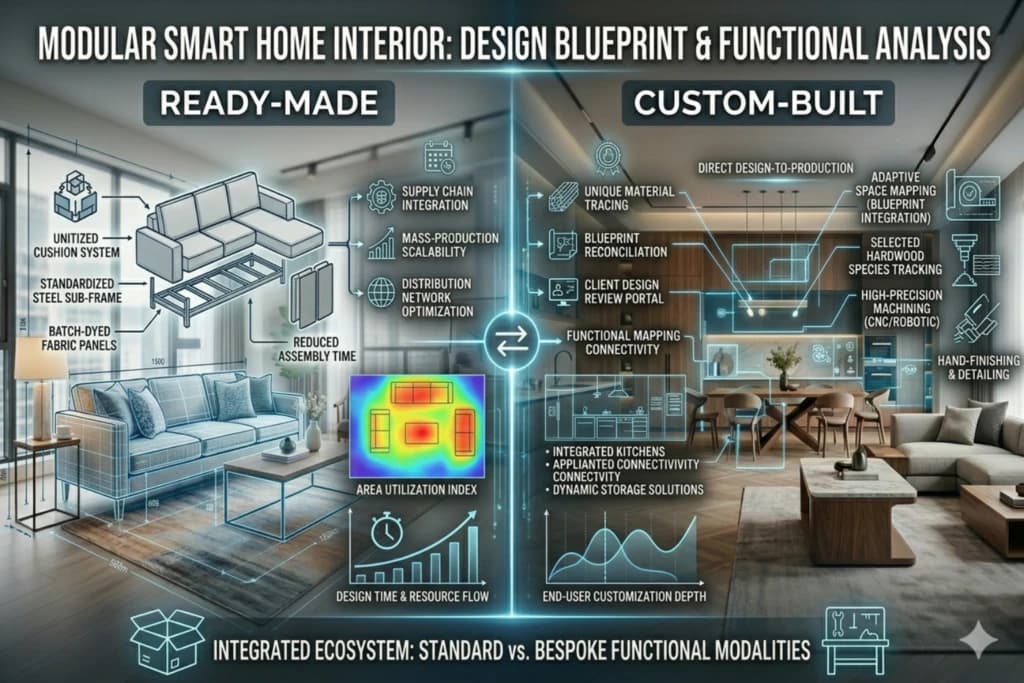
Custom vs. Ready-Made Furniture
Custom furniture allows for:
- Perfect fit
- Unique design
- Better space utilization
However, designers often mix custom and ready-made pieces to balance cost and creativity.
Comfort and Ergonomics
Beyond looks, furniture must be comfortable and functional. Designers ensure proper dimensions, support, and usability.
Color Psychology and Its Impact
How Colors Influence Emotions
Colors play a crucial role in shaping how we feel in a space:
- Blue promotes calmness
- Yellow adds energy
- Neutral tones create sophistication
Room-Specific Color Choices
Designers select colors based on the purpose of the room:
- Bedrooms: soothing tones
- Living rooms: warm and inviting shades
- Workspaces: focus-enhancing colors
Creating Visual Interest
Accent walls, contrasting elements, and subtle variations help avoid monotony while maintaining harmony.
Attention to Detail and Styling
The Finishing Touch That Elevates Design
Details are what transform a good design into a great one. Designers carefully curate decor elements to enhance the overall look.
Decor and Accessories
These include:
- Artwork
- Rugs
- Cushions
- Indoor plants
Each piece is selected to complement the theme and add personality.
Creating Focal Points
A focal point draws attention and anchors the room. It could be:
- A statement wall
- A unique piece of furniture
- A striking light fixture
Smart Storage and Organization Solutions
Decluttered Spaces Feel Bigger
Clutter can ruin even the most beautiful design. Designers integrate storage solutions that keep spaces clean and organized.
Innovative Storage Ideas
- Hidden cabinets
- Under-bed storage
- Built-in wardrobes
Multi-Functional Design
Furniture that serves multiple purposes helps maximize efficiency without compromising style.
Use of Technology in Modern Interior Design
Designing with Precision
Technology has revolutionized interior design. Designers now use advanced tools to visualize and refine spaces before execution.
3D Visualization and Rendering
Clients can see realistic previews of their space, reducing uncertainty and ensuring satisfaction.
Smart Home Integration
Modern designs often include:
- Automated lighting
- Smart thermostats
- Voice-controlled systems
These features enhance convenience and modern living.
Project Management and Execution
Turning Vision into Reality
Execution is where ideas come to life. Designers coordinate multiple aspects to ensure smooth completion.
Collaboration with Experts
They work with:
- Contractors
- Carpenters
- Electricians
- Vendors
Handling Challenges
Unexpected issues are common, but experienced designers adapt quickly, ensuring timelines and quality are maintained.
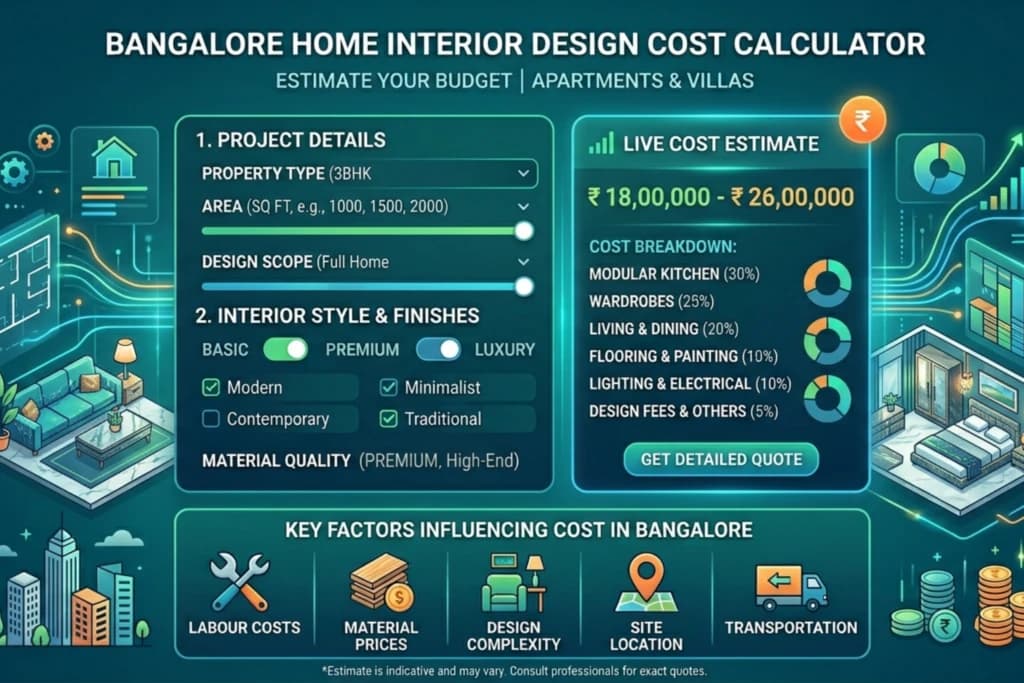
Budget Management Without Compromising Style
Smart Spending Strategies
Designers know where to invest and where to save. They allocate budgets wisely to achieve maximum impact.
High-Impact Investments
- Lighting fixtures
- Key furniture pieces
- Quality materials
Cost-Saving Techniques
- Repurposing existing items
- Mixing high-end with budget-friendly options
- Sourcing materials strategically
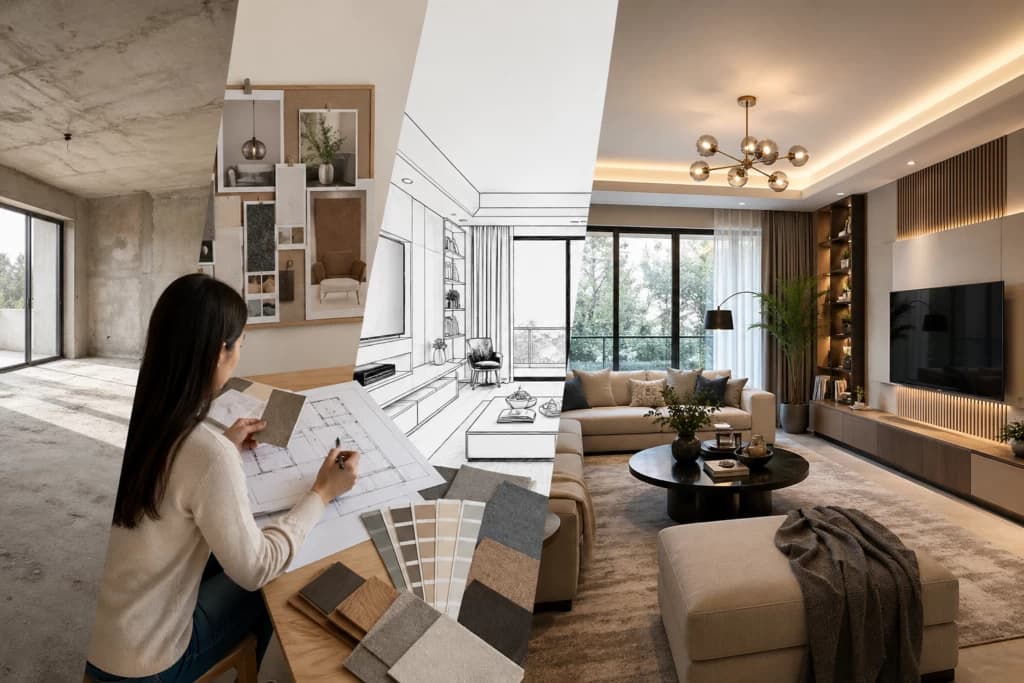
Before-and-After Transformations
The Power of Professional Design
One of the most compelling aspects of interior design is the transformation itself. A dull, cluttered space can become vibrant, organized, and inviting.
Key Takeaways from Transformations
- Better layout improves usability
- Proper lighting enhances ambiance
- Thoughtful design increases property value
Benefits of Hiring a Professional Interior Designer
Expertise and Creativity
Designers bring knowledge and creativity that elevate spaces beyond DIY efforts.
Time and Stress Savings
Managing a design project can be overwhelming. Professionals handle everything efficiently.
Access to Resources
Designers have access to exclusive materials, vendors, and ideas not easily available to the public.
DIY vs. Professional Interior Design
When DIY Works
Simple updates like painting or rearranging furniture can be done independently.
When to Hire a Professional
Complex projects involving:
- Layout changes
- Custom furniture
- Full home design
require professional expertise to avoid costly mistakes.
Trends Professional Designers Are Using Today
Sustainable Design
Eco-friendly materials and energy-efficient solutions are becoming increasingly popular.
Minimalism
Clean, clutter-free spaces with functional design continue to dominate.
Biophilic Design
Incorporating natural elements like plants and sunlight creates healthier living environments.
Tips to Achieve a Designer Look on a Budget
Simple Yet Effective Changes
- Rearrange furniture for better flow
- Upgrade lighting fixtures
- Add statement decor pieces
Focus on Key Areas
Invest in elements that draw attention, such as a feature wall or a stylish sofa.
Conclusion
Professional interior designers transform spaces by combining creativity, functionality, and technical expertise. From understanding client needs to executing flawless designs, every step is carefully planned to achieve a harmonious and impactful result.
A well-designed space not only looks beautiful but also enhances comfort, productivity, and overall quality of life. Whether you’re planning a complete home makeover or a small upgrade, investing in professional design can make a significant difference.
If you’re looking to elevate your space with expert guidance, exploring services from a trusted interior design company in bangalore can be a great starting point toward achieving your dream interiors.