Modern interior design has never been more dynamic, expressive, or meaningful than it is today. Gone are the days when “modern” simply meant sleek lines and minimalist white walls. As lifestyles evolve, technology integrates deeper into our homes, and sustainability becomes a global priority, modern design itself is being redefined. Whether it’s shifting aesthetics, changing material preferences, or new functional demands, homeowners across the world—and especially in Bangalore’s vibrant urban landscape—are embracing a new era of living.
In This blog we will explore how contemporary design is evolving in 2025, the key trends rising in popularity, those that are fading out, and how a design studio like Avinnyya interprets these shifts to create timeless, elegant interiors.
The New Forces Shaping Modern Design
Modern design does not evolve in a vacuum. It responds to the way we live, work, and interact with our surroundings. The homes of today are not the homes of ten years ago—and that is largely due to four major influences redefining design.
1. Changing Urban Lifestyles
Bangalore’s fast-paced urban lifestyle has inspired homes that are more functional, efficient, and experience-driven. Families now seek residences that support multitasking, blend comfort with productivity, and adapt to changing needs. With the rise of hybrid work, the home must serve as an office, relaxation spot, wellness space, and entertainment zone—all at once. As a result, the design approach has become more fluid and personalized.
2. Technology & Smart Integration
From smart lighting and voice-controlled assistants to fully automated home systems, technology isn’t an add-on anymore—it’s woven into the home’s very fabric. Modern design now embraces “invisible tech,” integrating devices seamlessly without clutter. The challenge (and art) lies in ensuring technology enhances aesthetics rather than disrupting them.
3. Sustainability & Conscious Living
Sustainability is not just a trend; it’s a movement shaping global design. Bangalore homeowners increasingly choose eco-friendly materials, energy-efficient lighting, low-VOC paints, and handcrafted or ethically produced décor. The idea of “conscious consumption” is pushing the industry toward materials that last longer, age beautifully, and reduce environmental impact.
4. Global Inspiration, Local Expression
Today’s homeowners are exposed to global design ideas through platforms like Pinterest and Instagram. However, Bangalore’s cultural and climatic context ensures global ideas are adapted thoughtfully. A Scandinavian palette might merge with South Indian wooden craftsmanship. A Japanese minimalistic approach may integrate local textures. Modern design now thrives on this beautiful fusion.
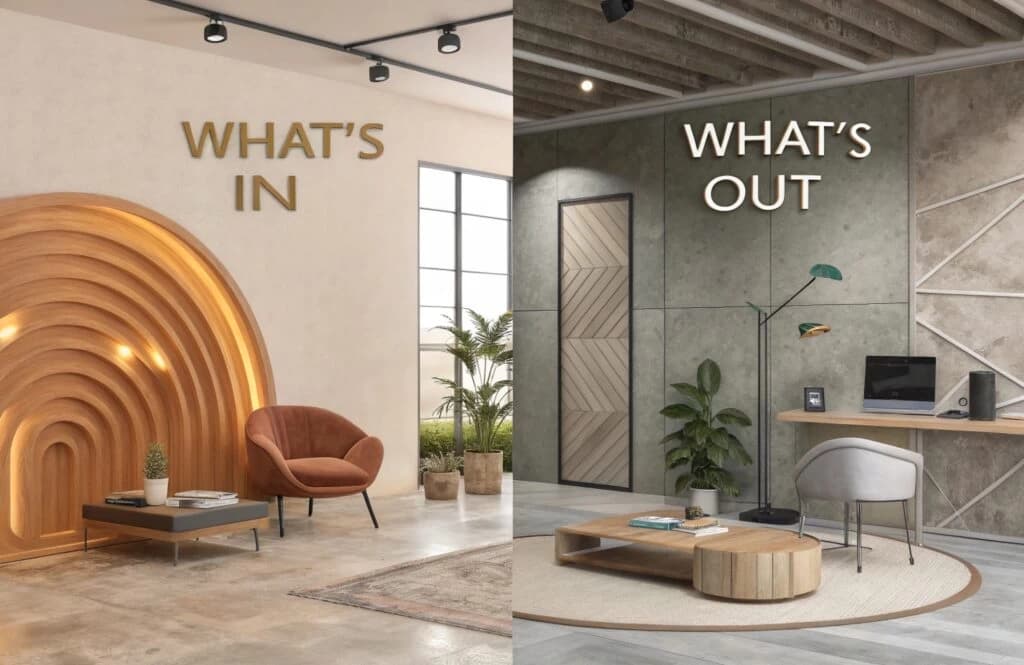
What’s In: The Trends Transforming Modern Homes
These “in” trends represent the heart of modern aesthetics in 2025—warm, personal, sustainable, and smart. Each reflects a shift toward creating homes that feel more human and authentic.
Warm Minimalism: The New Face of Simplicity
Minimalism is not dead; it has evolved. Ten years ago, minimalism meant stark white spaces with almost no personal expression. Today’s warm minimalism embraces earthy tones, natural textures, and soft materials. Instead of looking clinical, homes feel inviting and lived-in. Light wood, linen curtains, cane accents, and neutral color palettes are redefining simplicity with warmth and comfort.
This approach suits Bangalore’s lifestyle perfectly—airy, low-maintenance, and clutter-free without appearing cold.
Adding Personality Through Maximalist Accents
Interestingly, while minimalism dominates spatial layout, maximalist accents are becoming popular for expressing character. Homeowners want décor that tells a story—bold art pieces, patterned rugs, sculptural lamps, or heritage artifacts. When balanced well, these expressive elements add soul to a modern space without overwhelming it.
The idea is simple: keep the foundation minimalist, but let accents celebrate individuality.
Biophilic Design and the Return to Nature
Connecting the indoors with nature has become a central design philosophy. Homes now incorporate indoor plants, vertical gardens, light-filled spaces, and natural ventilation strategies. Large windows, skylights, and transitional indoor-outdoor zones are high in demand.
Biophilic design not only elevates aesthetics but also enhances mental well-being—crucial in high-stress urban environments.
Earthy & Muted Colour Palettes
The era of bold, glossy colours is fading. Modern design celebrates subtlety and calm. Shades like terracotta, olive green, warm beige, stone grey, and clay tones dominate walls, furniture, and décor. These colours create a soothing visual environment and adapt beautifully to varying light conditions.
In Bangalore’s climate, these tones bring warmth without absorbing excessive heat.
Open Layouts with Intelligent Zoning
Open floor plans remain extremely popular, but the way they are executed has evolved. Instead of completely free-flowing spaces, designers now use subtle zoning to create functional distinctions. Rugs define living spaces, layered lighting highlights zones, and sliding partitions offer flexible privacy.
This is particularly useful in apartments where every square foot must be optimized.
Curved Furniture & Organic Shapes
Sharp lines are giving way to softer, more organic forms. Curved sofas, rounded kitchen islands, arched doorways, and sculptural furniture create flow and harmony. These shapes feel more natural and psychologically calming—much needed in today’s stressful world.
Sustainable, Ethical Materials
Designers and homeowners alike are embracing materials that are durable and environmentally responsible. Reclaimed wood, bamboo, cork, jute, and upcycled textiles feature heavily in modern interiors. They bring authenticity and richness that mass-produced materials often cannot match.
Textured Walls & Natural Finishes
Textured surfaces are replacing the glossy laminated look. Lime plaster, microcement, natural stone, slatted wood, and handmade tiles offer tactile depth and visual character. These finishes age beautifully and complement both Indian and global aesthetics.
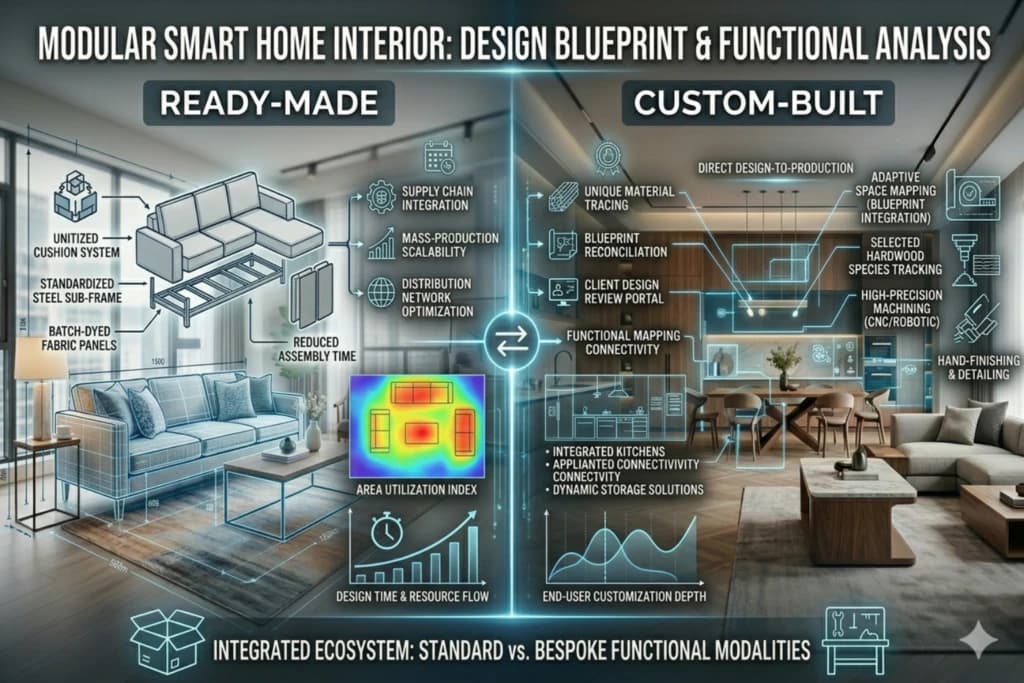
Multifunctional Furniture for Compact Living
Urban spaces call for smart solutions. Modular sofas, hidden-storage beds, extendable dining tables, and foldable workstations help maximize functionality. These designs adapt to changing needs—a critical requirement for today’s homes.
Invisible Smart Home Tech
Technology is no longer showcased—it’s concealed. Smart switches, automated blinds, motion-controlled lighting, and wireless entertainment systems are integrated into design with precision. The goal is to ensure functionality without visual distraction.
Boutique Hotel-Inspired Luxury
Homeowners now gravitate towards sophisticated luxury—velvet textures, layered lighting, arched headboards, and spa-like bathrooms. This trend brings the comfort and elegance of a premium hotel into residential design, creating immersive living experiences.
New-Age Kitchen Designs
The kitchen has transformed into a multifunctional family hub. Handleless cabinets, stone countertops, breakfast islands, task lighting, and soft-close mechanisms define modern kitchen design. Storage optimization remains a top priority in Bangalore homes.
Workspaces Within Homes
Dedicated workspaces are no longer optional. Designers focus on ergonomics, acoustics, natural light, and mood-enhancing colours. Whether it’s a small study nook carved out of a bedroom or a full home office, the design prioritizes productivity and comfort.
Mixed Metal Accents
Gone are the days of matching all metal finishes. Modern homes blend brushed gold with matte black or copper with chrome to achieve visual depth. These combinations add contemporary sophistication without overpowering the space.
Statement Ceilings
Ceilings are now design elements. Cove lighting, gypsum layers, wooden rafters, metal inlays, and bold paint choices are popular ways to create drama while illuminating spaces more effectively.
What’s Out: Trends on Their Way Out
As modern design evolves, several older trends are losing relevance.
The All-White Aesthetic
Once considered the epitome of modern luxury, all-white homes now appear sterile and impractical. Homeowners prefer warmer tones that feel more grounded and less demanding to maintain.
Overly Industrial Interiors
Raw concrete surfaces, exposed brick everywhere, and heavy industrial metal accents have declined. People increasingly prioritize comfort and softness over rugged aesthetics.
Bulky Traditional Furniture
Large, carved wooden pieces no longer suit compact modern homes. Cleaner lines, lightweight forms, and modular furniture are replacing cumbersome heritage-style design.
Excessive Decor & Visual Clutter
Minimalist living has pushed out over-accessorized spaces. Gallery walls, collectible displays, and excessive décor items are being simplified in favour of calm and organized environments.
Open Kitchen Shelves
Beautiful in photos, but impractical in real life—especially in Indian kitchens. Open shelves accumulate dust and require constant upkeep; closed, sleek cabinetry is now the standard.
Cool Grey Palettes
Grey-dominated interiors are fading fast. Warm neutrals and nature-inspired colours are taking centre stage.
Matching Furniture Sets
The cookie-cutter look is out. Today, mixing materials, styles, and finishes creates more visually interesting and personalized spaces.
High-Gloss Finishes
Matte and textured surfaces have replaced shiny laminates, which are now viewed as outdated and artificial.
Overly Themed Rooms
Themed décor—like overly rustic, Scandinavian, or nautical rooms—now feels forced. Instead, homes reflect personal stories rather than strict styles.
Heavy Curtains & Dark Rooms
Darker interiors and thick drapes make spaces look smaller and gloomy. Homeowners prefer natural light, sheer curtains, and airy materials.
Single Light Sources
Ceiling fans with attached bulbs or a single tube light no longer meet modern lighting needs. Layered lighting has become essential for both functionality and ambiance.
How Bangalore’s Urban Landscape Shapes Modern Design
Bangalore is unlike any other Indian city—its climate, culture, and urban growth have influenced local design trends uniquely.
Climate-Responsive Design
Breathable materials, cross ventilation, and sun-reflective colours suit Bangalore’s moderate climate. Natural stone, lighter tones, and airy layouts help maintain thermal comfort.
Space Optimization in Urban Housing
Compact apartments demand smart planning, hidden storage, and multifunctional furniture. Designers create intelligent layouts that maximize usability without feeling cramped.
Subtle South Indian Craft Heritage
Wooden joinery, brass accents, Athangudi tiles, and handwoven textiles bring local charm to modern interiors when used carefully and sparingly.
How Homeowners Can Adapt to Modern Trends Sensibly
Before embracing trends, it’s crucial to evaluate your needs. Begin by assessing your home’s functional requirements—family size, lifestyle, work patterns, and personal preferences. Create mood boards and explore material samples to understand how each element feels in real space. Invest in long-term pieces such as furniture and flooring, while using accessories for trend-based experimentation. Most importantly, prioritize comfort and authenticity over what’s fashionable.
Avinnyya’s Philosophy: Designing Modern Homes With Purpose
At Avinnyya, modern design is approached as more than aesthetics—it’s a thoughtful process that balances practicality, beauty, and emotional connection. Every project begins with understanding clients deeply—their habits, aspirations, and routines. The studio’s design language blends warm minimalism, sustainability, and technological integration effortlessly.
Whether it’s creating a serene compact apartment, a luxurious villa, or a smart workspace, the team at Avinnyya ensures precision, craftsmanship, and personalized aesthetics. The result is a home that feels timeless yet contemporary, elegant yet functional—an authentic reflection of its residents.
Conclusion
Modern design is continuously evolving, shaped by cultural shifts, lifestyle changes, and global influences. What defines modern interiors today is not just sleek surfaces or minimal furniture, but human-centred design—spaces that foster comfort, calm, connection, and purpose.
As trends rise and fall, one principle remains: a well-designed home should feel true to the people living in it. With the thoughtful expertise of a design studio like Avinnyya, homeowners in Bangalore can stay ahead of design evolution while building spaces that remain beautiful for years to come.